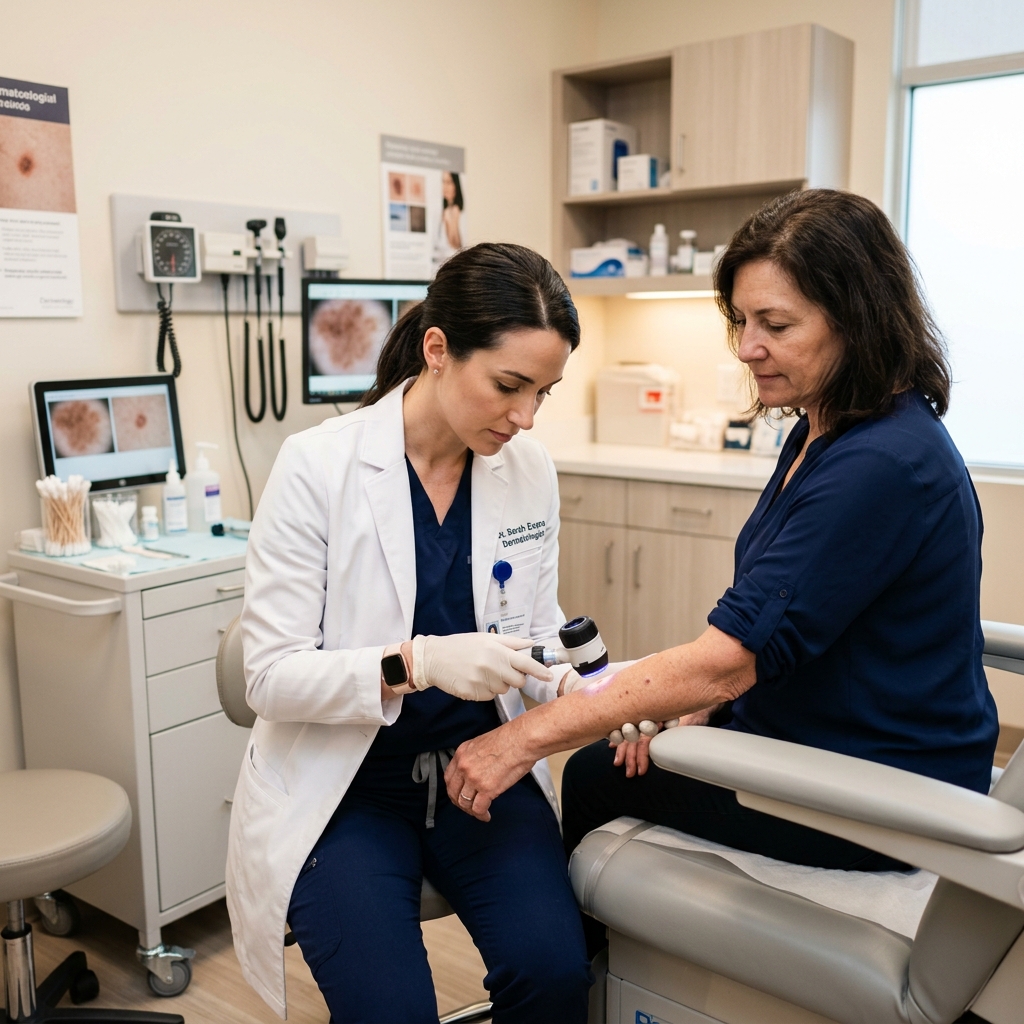
Why Are Skin Problems So Common in Pakistan?
Pakistan's hot and humid climate, combined with environmental pollutants, sun exposure, and dietary factors, makes skin conditions extremely common across all age groups. At Al-Shifa Allergy Center, our dermatology department treats thousands of patients annually.
Top 5 Skin Conditions We Treat
1. Eczema (Atopic Dermatitis)
A chronic inflammatory skin condition causing itchy, red, and cracked skin. Common in children but can persist into adulthood. Often linked to allergies and asthma.
Treatment: Moisturizers, topical corticosteroids, immunomodulators, and allergen identification through testing.
2. Psoriasis
An autoimmune condition causing thick, scaly patches on the skin. Can affect any body part but commonly appears on elbows, knees, and scalp.
Treatment: Topical treatments, phototherapy, systemic medications, and lifestyle modifications.
3. Fungal Infections (Ringworm, Tinea)
Extremely common in Pakistan's warm climate. Causes circular, itchy rashes that spread easily. Includes athlete's foot, jock itch, and scalp ringworm.
Treatment: Antifungal creams, oral antifungal medications, and hygiene education.
4. Acne & Scarring
Affects both teenagers and adults. Hormonal changes, diet, stress, and environmental factors contribute to breakouts and permanent scarring.
Treatment: Medical-grade skincare, oral and topical medications, chemical peels, and scar reduction treatments.
5. Allergic Contact Dermatitis
Skin reactions triggered by contact with allergens like jewelry metals, cosmetics, detergents, or plants.
Treatment: Allergen identification through patch testing, avoidance strategies, and topical treatments.
When to See a Dermatologist
Visit a specialist if you experience persistent itching, rashes that don't improve with over-the-counter treatments, changes in skin moles, or any skin condition affecting your quality of life.
Schedule a dermatology consultation with Dr. Sabir Hussain at Al-Shifa Allergy Center. Call 0333 1702133.